Context: Overweight is a serious health concern for children, increasing the risk of a range of health problems, including cardiovascular disease and type 2 diabetes. Overweight in childhood is also a significant predictor of obesity in adulthood.
According to the CDC, overweight in children has increased substantially over the past decades. Overweight children aged 6 through 11 have increased from 4% of those sampled by the CDC in the early 1970s to almost 19% in 2003-2004, a five-fold increase. Along with it have come increases in the risk of Type 2 diabetes, at ever younger ages.
Most medical and scientific attention on the causes of obesity have focused on "the big two": excess calories and reduced physical activity. During the last decade, however, scientists have been exploring how exposure to endocrine-disrupting contaminants during sensitive stages of development, especially in the womb, may increase the risk of overweight and obesity. Several endocrine disruptors have been found to alter weight homeostasis in animal experiments; they have been deemed "obesogens." Some are environmental estrogens like diethylstilbestrol and bisphenol A. Others include members of the organotin family of chemicals. One mechanism of action now documented in animal experiments and human tissue is upregulation of a gene that speeds the conversion of stem cells to fat cells.
The first human epidemiological study testing the role of endocrine disruption in human obesity appeared in 2007. It documented an association between phthalate exposure and increased risk of obesity. These results were then extended by a second epidemiological report on phthalates and obesity in 2008.
Hexachlorobenzene (HCB) is a pesticide that until 1965 was widely used in the US, especially to protect seeds and grains from fungus. It was also used in the production of synthetic rubber, ammunition and fireworks. HCB has been detected in the US in at least 84 of the country's 1400+ Superfund sites. In 2001 it was included in the list of 12 persistent organic pollutants banned by the UN Stockholm Convention. |
|
What did they do? Smink et al. measured HCB and other persistent organic pollutants in cord blood from 405 infants at birth from a cohort study in Menorca, Spain. At the age of 6.5 years, they measured the children's weight and height. They classified children as overweight if they were at the 85th percentile or higher of the US National Center for Health Statistics/WHO reference BMI index (body mass index; kg/height).
In addition to HCB, they measured total PCBs, p,p'-DDE and p,p'-DDT.
At the time mothers were recruited into the study, prior to the child's birth, interviewers obtained information about the mother, including age, education, socio-economic status, how many children they had had, smoking, alcohol use, weight, height and diet. After birth they gather data on the infant's height and weight as well as infant-feeding practices. Smink et al. then used a series of multivariate statistical analyses to explore the relationship between HCB exposure and the likelihood of overweight in children.
What did they find? All of the 405 children had organchlorine contaminants in their cord blood. Of the organochlorine contaminants measured, p,p'-DDE had the highest median level (1.03 ng/mL) while p,p'-DDT (0.08 ng/mL) had the lowest. Total PCBs were 0.70 ng/mL. The median for HCB was 0.68 ng/mL (0.46-1.02 interquartile range).
After dividing the children into 4 groups based on HCB levels, they found that children in the highest HCB exposure group had higher average values for the other organochlorines. Also, their mothers were older and had higher BMI. These children were also heavier with a higher BMI. Overweight and obesity were higher in the children with higher HCB exposure.
The multivariate statistical analyses then allowed them to sort out how different factors like mother's weight during pregnancy interacted with HCB levels. After controlling for these variables, the association between HCB levels and overweight/obesity remained statistically significant. Children in the higher exposure group had a risk of being overweight of 1.7 compared to the low exposure group, and of 2 for obesity. These results are independent of socio-economic status, maternal education, number of prior births, maternal obesity and birth weight. The result was stronger for children whose mothers had smoked during pregnancy.
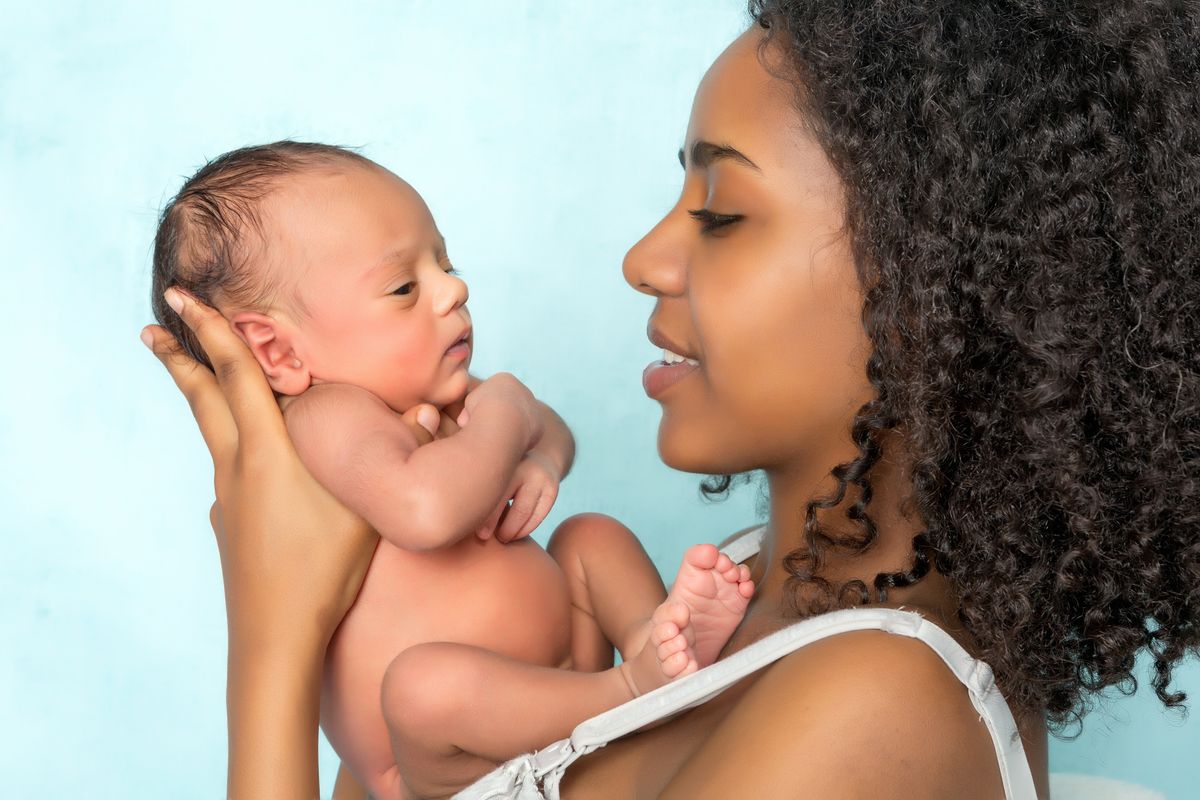
What does it mean? These data come from the first prospective epidemiological study to explore links between fetal exposures to contaminants and the risk of childhood obesity. The study establishes the first link for exposure HCB during pregnancy and childhood overweight and obesity.
The mechanism(s) of action by which HCB might cause this effect is not known. No animal studies have been published on HCB's potential role as an obesogen (see discussion to left). Smink et al. speculate that one pathway may involve HCB increasing the risk of Type 2 diabetes during pregnancy, and that this medical condition then increases the odds for childhood obesity.
Whatever the mechanism, this prospective study adds significantly to the weight of evidence implicating fetal exposures in the causation of childhood obesity. Smink et al. go so far as to conclude:
| |
"The prevalence of obesity has increased at an alarming
level of at least 300 million people worldwide. Additionally,
other diseases like diabetes will increase in prevalence
as well. Protection for this possible diabetes epidemic
is needed. The risk on increased BMI at young age, caused
by prenatal exposure to OCs like HCB, has to be minimized.
Therefore, it is important that pregnant women are informed
about the possible effects on prenatal exposure to HCB on
the BMI of the child later in life." |
|
|