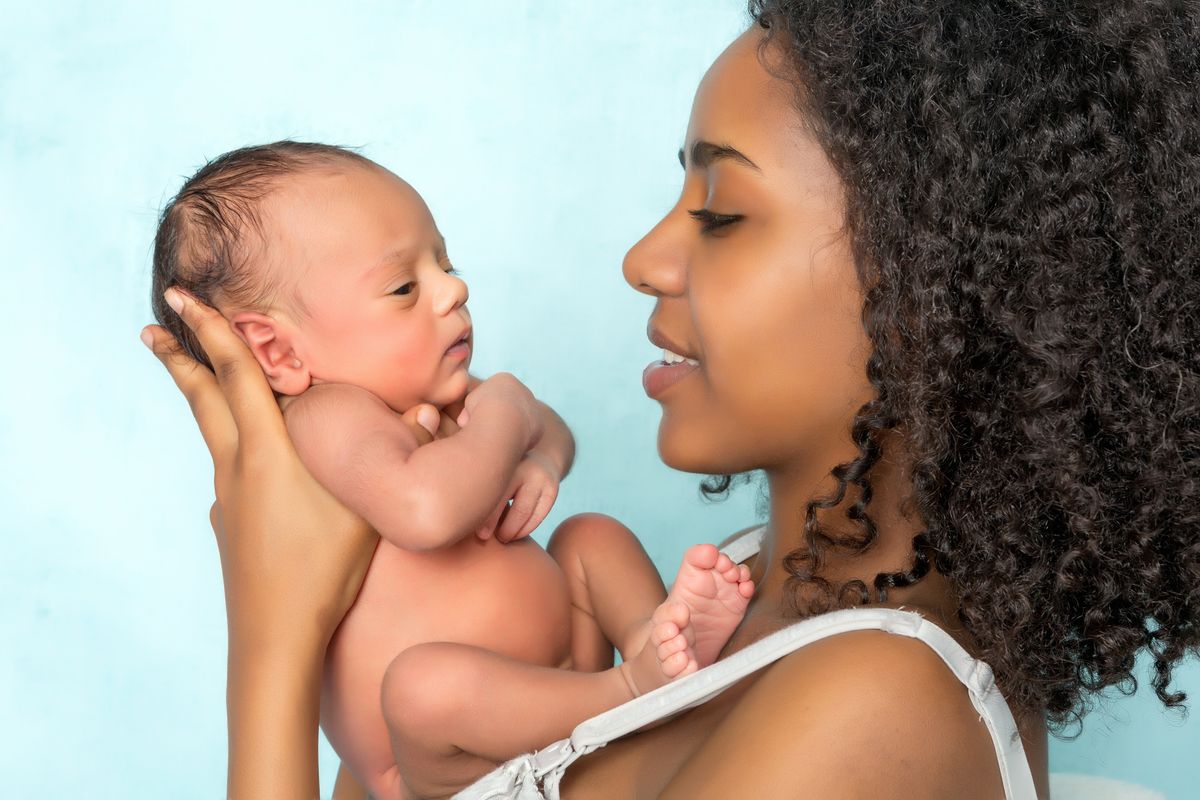
Newborn girls, boys behavior differs after prenatal phthalate exposure.
Engel S M, C Zhu, G S Berkowitz, A M Calafat, M J Silva, A Miodovnik and M Wolff. 2009. Prenatal phthalate exposure and performance on the neonatal behavioral assessment scale in a multiethnic birth cohort. Neurotoxicology doi:10.1016/j.neuro.2009.04.001.
Newborn girls exposed prenatally to phthalate chemicals used in plastics scored poorly on a standard behavior test – and very differently from boys, most likely because the chemicals are endocrine disruptors. The phthalate metabolites found in the mother's urine were associated with the girls' poor performance on tests of attention and alertness.
This is the first study to link phthalates to neurological development effects in humans. Previous health studies have linked phthalates to obesity, diabetes risk and poor sperm quality.
Phthalates are found in a broad array of consumer products. Phthalates found in plastics, such as medical devices and food containers, differ chemically from phthalates found in scented products like lotions and perfumes. These difference allow researchers to identify if the chemicals came from plastics or personal care products.
The behavior effects – such as attention, alertness and movement – of the prenatal phthalate exposure depended on the type of phthalate and the infants gender. As exposure to the plastic phthalate metabolites increased, female newborns attention and quality of alertness decreased. In male newborns, the opposite was found. High exposure to the plastic phthalates actually increased the boys' attention and alertness. (Correction, 6/12/09: No statistically significant changes were found for the boys' exposed to phthalates and their attention and alertness.) High exposure to phthalates from personal care products increased their motor performance, too.
The study included about 300 mostly black and Latina young women with low education from New York City. Ten phthalate metabolites were measured in their urine while they were pregnant. The concentrations of the phthalate metabolites were similar to those found in US population surveys conducted by the Centers for Disease Control and Prevention. Certified instructors and their trainees tested each child using the Brazelton behavioral assessment .
Some of the results of this study were confusing. In several scenarios, phthalates appeared beneficial rather than detrimental. (Correction, June 12, 2009: Only one finding showed a significantly positive association; that was for motor performance among boys.) It is possible that some findings occurred by chance because of the difficulty of assessing neonatal behavior. The authors were mindful of this and grouped phthalates by their chemical weights in order to minimize the chances of random results.
Long-term changes in cognitive, behavioral and emotional states of the children cannot be predicted from the results. However, the researchers will continue to monitor the growth and development of the children and report on the relationship between prenatal phthalates, neonatal behavioral assessment and later childhood development.
The results of this study are at times counter-intuitive. The authors aptly point out that the results need to be replicated before extrapolating to other populations.